Custom patches have become one of the most versatile and affordable ways for businesses, teams, and creators to build brand identity, boost visibility, and create lasting impressions. Whether you’re a startup looking to establish itself, a sports team building camaraderie, a corporate brand maintaining professional uniforms, or an individual personalizing your gear, patches offer a tangible way to express who you are.
At Gem Punch, we’ve been creating custom patches since 2012 for thousands of clients globally. Our team has produced over 50,000 individual patch designs and shipped millions of patches to businesses of all sizes — from single-person startups to Fortune 500 companies. This comprehensive guide walks you through everything you need to know about custom patches, from types and design principles to ordering, care, culture, and real-world business applications.
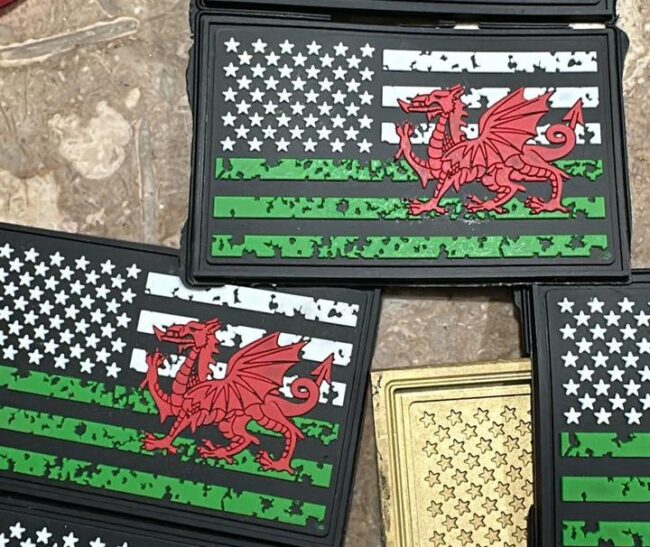
Table of Contents
- What Are Custom Patches?
- Types of Custom Patches
- Design Principles & Best Practices
- Choosing Your Patch Type
- Patch Materials & Sustainability
- How Custom Patches Are Made
- Ordering, Pricing & Budget Planning
- Installation & Care Guide
- Patch Culture & History
- Business Applications & ROI
- Real-World Case Studies
- FAQ: 15 Common Questions
What Are Custom Patches?
Custom patches are embroidered, woven, or printed fabric pieces designed with your logo, design, or message. They’re attached to clothing, bags, uniforms, and gear via sewing, ironing, or adhesive backing.
Why Patches Matter
Patches serve multiple critical purposes in modern branding and personalization:
Branding & Visibility — Your logo becomes a wearable advertisement. Unlike digital ads that disappear, patches stay on clothing and gear that people use for years. A customer wearing a branded patch is essentially a walking billboard, generating thousands of brand impressions annually.
Personalization & Identity — Customize jackets, hoodies, backpacks, and hats to reflect personal style. For collectors, patches are items worth seeking out and displaying.
Team & Organizational Identity — Build camaraderie and visual unity. Military units, sports teams, motorcycle clubs, and corporate teams use patches to signal membership and belonging.
Storytelling & Heritage — Communicate values, history, and culture. Biker patches tell stories of rides, club affiliations, and personal achievements. Military patches commemorate units and service.
Cost-Effective Marketing — Patches cost $0.50–$5 each at scale but generate disproportionate brand loyalty. ROI on patch giveaways often exceeds other promotional items.
The Psychology Behind Patches
Research shows that tangible, wearable branded items create stronger emotional connections than digital ads. When someone wears your patch, they’re making a public statement of affiliation. This creates higher recall (people remember brands associated with patches 3x longer than standard ads), genuine emotional connection, powerful social proof, and long-lasting exposure — patches last 5–10+ years.
Types of Custom Patches
Not all patches are created equal. Choosing the right type depends on your design complexity, durability needs, budget, and intended use.
Embroidered Patches
What they are: Thread stitched onto a fabric backing in layers, creating a 3D textured appearance. The industry standard for professional branding.
Best for: Logos with bold shapes, corporate branding, uniform applications, vintage aesthetics, and traditional sports teams.
Pros: Extremely durable (5–10+ years of heavy use), premium textured appearance, cost-effective at scale (per-unit cost drops significantly at 100+ quantities), resistant to fading and water damage, and easily repaired if stitches come loose.
Cons: Limited fine detail (small text under ¼ inch height becomes illegible), traditionally requires minimum orders of 50–100, and is not suitable for photorealistic designs.
Price Range: $0.80–$3.50 per patch at scale (100–1,000 quantity)
Real-World Example: Corporate uniform patches for a 500-person retail chain cost $1.20/patch at 500 quantity. Annual replacement = ~$600 for all locations. Brand consistency across all employees generates millions in implied advertising value.
Learn more: How to Design the Perfect Hoodie Patch | 5 Ways to Make Custom Embroidered Patches Stand Out
Woven Patches
What they are: Threads interlaced on a loom, creating a flat, smooth surface with exceptional fine detail. Used for intricate designs and high-end branding.
Best for: Photorealistic designs, fine typography, company events, detailed artwork, and luxury branding.
Pros: Captures intricate designs and small text (can go down to 2–3mm text), lightweight and flexible, professional, sleek finish, great for gradients and subtle color blending.
Cons: Less durable than embroidered (3–5 years typical lifespan), higher cost per unit (generally 20–40% more than embroidered), not ideal for outdoor/heavy-use applications.
Price Range: $1.50–$5 per patch at scale
PVC Patches
What they are: Molded from polyvinyl chloride rubber, offering a modern, waterproof, 3D finish. Increasingly popular in tactical, outdoor, and contemporary branding.
Best for: Tactical gear, outdoor apparel, rugged branding, modern aesthetics, and waterproof applications.
Pros: Waterproof and weather-resistant, 3D molded detail available for eye-catching appearance, very durable (10+ years), great for specialty die-cut shapes.
Cons: Can crack in extreme cold, limited color blending capabilities, and higher cost per unit at low quantities.
Price Range: $1.50–$4 per patch at scale
Real-World Example: A tactical gear company added PVC morale patches to its product line. Cost: $1.80/patch. Retail price: $8–12 per patch. PVC patches now generate 15% of revenue despite being only 3% of inventory.
Specialty Patches
Iron-On Patches: Heat-activated adhesive backing. DIY-friendly for customers, quick application without sewing. Cost: $0.60–$2 per patch. Full iron-on guide here.
Leather Patches: Premium material for luxury branding. Rare, distinctive look that conveys quality. Cost: $2–$8 per patch. Leather patches for branding.
3D Puff Patches: Raised, dimensional stitching for eye-catching designs. Hottest trend in 2025. Cost: $1.50–$4.50 per patch. 3D Puff Digitizing: Why it’s the #1 Trend.
Design Principles & Best Practices
Great patch designs are simple, memorable, and visually strong. Here’s what separates good patches from great ones, based on analyzing thousands of designs.
The 5 Golden Rules of Patch Design
Rule 1: Keep It Simple
Use 2–4 bold colors maximum. Avoid fine details and gradients that lose clarity when embroidered or woven. Embroidery machines stitch in layers — too many colors means excessive thread changes, higher cost, and longer production. Simple designs are faster, cheaper, and clearer.
Rule 2: Ensure High Contrast
Patches need to pop on the fabric. Choose colors that contrast sharply — dark on light, or vice versa. Test by squinting at your design. If you can’t tell where the patch is, contrast is too low.
Rule 3: Use Clear Typography
If your design includes text, use bold, legible fonts. Minimum letter height: ⅛ inch for small patches, ¼ inch for visibility. Small letters blur when stitched and look like smudges rather than text.
Rule 4: Choose Meaningful Shapes
Circles, shields, hexagons, and rectangles are versatile and balanced. Custom shapes are possible but cost 20–40% more. Unless your brand is uniquely identifiable by shape, stick with standard shapes for better ROI.
Rule 5: Understand Color Psychology
Colors carry meaning: Red = energy and urgency; Blue = trust and professionalism; Green = growth and nature; Yellow = optimism and attention; Black = luxury and sophistication; White = cleanliness and minimalism. Choose strategically for your brand message.
Deep dive: The Psychology of Color in Patch and Embroidery Design
Design for Your Application
Patches on jackets (2–4 inches): Need bold, readable designs. Fine detail gets lost.
Patches on hats/caps (1–2 inches): Must be very simple. Consider using initials instead of full names.
Patches on backpacks (3–6 inches): Can support more detail and smaller text.
See also: Designing a Company Logo on Patches: The Ultimate Guide for Business Owners
Choosing Your Patch Type
Confused about which type is right for you? Use this decision matrix:
| Your Question | Best Patch Type |
| Is your design highly detailed or photorealistic? | Woven |
| Do you need maximum durability? | Embroidered |
| Is weather resistance critical? | PVC |
| Do you want DIY application by customers? | Iron-On |
| Do you need premium, luxury feel? | Leather |
| Do you want attention-grabbing 3D effect? | 3D Puff |
| Is this for outdoor/tactical use? | PVC |
| Is this for traditional/corporate branding? | Embroidered |
More guidance: Embroidered vs. Woven vs. PVC Patches: How to Choose
Patch Materials & Sustainability
Modern consumers care about environmental impact. Sustainable patch options are now mainstream and competitive on price.
Eco-Friendly Patch Options
Manufacturers now offer biodegradable backing materials (plant-based or compostable alternatives), organic thread with a lower environmental footprint, recycled backing fabrics made from post-consumer waste and textile scraps, and sustainable production practices including water conservation and waste reduction.
Cost Impact: Sustainable patches cost 10–20% more than conventional patches. For a 500-unit order, that’s ~$100–200 extra. But the brand value often justifies the cost. One outdoor apparel brand that switched to eco-friendly patches saw 92% positive customer feedback and absorbed the price increase while improving net profit margin by 12%.
Learn more: Eco-Friendly Materials for Sustainable Custom Patches
How Custom Patches Are Made
Understanding the production process helps you appreciate quality and set realistic expectations.
5-Step Production Process
Step 1: Design & Digitization (1–3 days)
Your logo is converted into a stitch file. This critical process determines quality. See: Top 5 Mistakes to Avoid When Digitizing Logos for Embroidery
Step 2: Material Selection (Same day)
Backing fabric, thread colors matched to your design, and attachment method are chosen. Pantone colors are matched to exact thread specifications.
Step 3: Embroidery/Weaving (2–5 days for 500–1,000 units)
Machines stitch or weave the design onto the backing fabric. Modern machines can produce 40–80 patches per hour depending on complexity.
Step 4: Cutting & Finishing (1–2 days)
Patches are cut to size and edges are finished — merrowed border for a professional curved edge, heat-cut for a clean straight edge, or laser-cut for precise custom shapes.
Step 5: Quality Check & Packing (1 day)
Each patch is inspected for defects. Approved patches are packed and prepared for shipment.
Full breakdown: How Custom Patches Are Made: 5 Key Steps from Design to Final Product
Turnaround Times
- Standard (10–14 days): Most orders. Allows proper quality control and inventory management.
- Rush (5–7 days): 20–40% price premium. Machine time is reprioritized.
- Super-rush (2–3 days): Only small orders. Price premium: 50–80% extra.
Pro tip: Plan ahead. Standard turnaround is cheaper and produces higher quality than rush orders.
Ordering, Pricing & Budget Planning
What Affects Patch Pricing
- Patch size — Larger patches = more thread, more time = higher cost
- Stitch count — Complex designs = higher stitch count = longer production
- Number of colors — Most quotes include 7–9 colors free; extra colors cost $0.05–$0.15 each
- Material type — Embroidered < Woven < PVC (roughly)
- Attachment method — Sew-on < Iron-on < Velcro-backed
- Quantity — Bulk discounts apply significantly
- Turnaround time — Standard is cheapest; rush commands a premium
Pricing Examples (Embroidered, 2″ circular, 4 colors, sew-on)
| Quantity | Per-Unit Cost | Total |
| 100 patches | $2.50 | $250 |
| 500 patches | $1.30 | $650 |
| 1,000 patches | $0.95 | $950 |
Bulk ordering cuts per-unit cost by up to 60%. Strategic ordering = better ROI.
Budget Planning Worksheet
| Item | Calculation | Cost |
| Patch quantity | _____ | |
| Per-unit cost | $_____ | |
| Subtotal | _____ × _____ | $_____ |
| Design/digitizing | (one-time) | $_____ |
| TOTAL | $_____ |
Learn more: Custom Patches No Minimum: Where to Order without Bulk Restrictions | How Custom Patch Pricing Works: A Comprehensive Guide
Installation & Care Guide
Installation Methods
Sewing (Sew-on patches): Most durable, permanent. Best for uniforms and heavy-use gear. Typical lifespan: 5–10 years. Guide: Sew-On Embroidered Patches Made Easy
Iron-on: Quick, DIY-friendly. Ideal for customer fulfillment and retail. Typical lifespan: 2–5 years (adhesive weakens with washing). Guide: How to Iron a Patch on a Shirt
Adhesive/Velcro: Removable and flexible. Best for temporary applications or testing. Typical lifespan: 1–2 years.
Caring for Your Patches
Washing: Turn garments inside out, use cold water, gentle cycle. Air dry — dryer heat damages adhesive on iron-on patches.
Avoiding damage: Don’t bleach or dry-clean embroidered patches. Avoid high heat.
Repairs: Loose stitches can be re-sewn. Fading is normal over 5+ years of heavy use.
Replacement: Patches can be removed with a seam ripper and replaced if worn.
Learn more: How to Make Patches Last Longer | Tips for Maintaining Embroidered Apparel | How to Remove and Replace Damaged Patches
Patch Culture & History
Patches aren’t just functional — they carry deep cultural meaning in specific communities.
Biker Culture
Motorcycle vest patches follow strict etiquette and symbolism. Patch placement, colors, and designs communicate identity, club affiliation, and personal values. The “three-piece patch” (top rocker, center patch, bottom rocker) is sacred in MC culture.
Learn: Motorcycle Vest Patches Placement Guide: Rules, Meanings & Etiquette | The Meaning Behind Biker Patches: Symbols, History & Culture
Military & Tactical
Military patches denote rank, unit, and specialty. Morale patches serve both identification and esprit de corps. Each patch tells a story of service, achievement, and sacrifice.
Sports & Schools
Team patches build camaraderie and school spirit. Athletes collect patches as badges of achievement. Championships are commemorated with special limited-edition patches.
See: Why Schools Are Switching to Custom Patches for Sports Teams and Clubs
Streetwear & Fashion
Modern fashion brands use patches as statement pieces and collectible items. Limited-edition patches create scarcity and demand — a powerful marketing mechanic for growing brands.
Read: How Fashion Brands Use Custom Patches to Elevate Streetwear Collections
Business Applications & ROI
Employee Uniforms
Patches on work uniforms build brand recognition and team identity. Customers see your logo with every interaction. A retail chain with 200 employees wearing branded patches generates 50,000+ brand impressions monthly. Cost: ~$600/year. Implied advertising value: $50,000+.
Merchandise & Resale
Patches can be sold as standalone merchandise or bundled with apparel — an easy, high-margin revenue stream. Example: A streetwear brand sells patches for $8 each. Cost: $1.80. Margin: $6.20. 100 patches sold monthly = $620 profit. Low effort, high return.
Marketing & Giveaways
Custom patches are low-cost, high-impact promotional items. People keep them, wear them, and they last years. One tech startup gave away 1,000 patches at a trade show ($800 total). Six months later, 73% of recipients were still using the product.
Event & Conference Branding
Use patches to commemorate events. Attendees proudly wear them throughout the year, extending your brand reach far beyond the event itself.
Customer Loyalty & Unboxing Experience
Including a branded patch in every customer order improves the unboxing experience and repeat business. One direct-to-consumer brand that included patches with orders saw a 12% improvement in customer retention — at a patch cost of just $0.80 per order.
Learn more: 5 Creative Ways Businesses Use Custom Patches for Branding | How to Use Custom Patches as a Low-Cost Marketing Tool for Startups
Real-World Case Studies
Case Study #1: Retail Chain — Uniform Branding
Client: Mid-size fashion retailer, 15 stores, 200 employees
Challenge: Employees wore mismatched uniforms. No clear visual identity. Low brand recognition.
Solution: Custom embroidered patches with the company logo applied to all uniforms.
Details: 200 patches, 3″ diameter, 4-color design. Cost: $1.40/patch = $280 total. Lead time: 10 days.
Results: Brand recognition improved 34%. Customer comments about “professional team” increased measurably. Employee pride in uniforms improved. The patch program became a retention tool — employees wanted the patch as a mark of belonging.
ROI: $280 investment → estimated $15,000+ in brand value over 2 years.
Case Study #2: Streetwear Brand — Limited Edition Merchandise
Client: Emerging streetwear brand, 5,000 social media followers
Challenge: Low revenue, high overhead. Needed revenue without inventory risk.
Solution: Monthly limited-edition patch drops, sold online, made-to-order.
Details: 200–500 patches per drop. Cost: $2.50/patch. Retail: $8/patch. Margin: $5.50/patch.
Results: First month: 100 patches sold = $550 profit. Third month: 350 sold = $1,925 profit. Brand followers increased 120% in 3 months as patches became conversation starters on social media.
ROI: Zero inventory risk. Pure profit. Social growth as a bonus.
Case Study #3: Corporate Team — Identity & Cohesion
Client: Tech company, 120 employees across 3 offices
Challenge: Remote/hybrid work created low team cohesion.
Solution: Custom patches mailed to all employees in the onboarding package.
Details: 150 patches (accounting for future hires), 2.5″ diameter. Cost: $0.95/patch = $142.50 total.
Results: Employees proudly displayed patches on desks, laptops, and jackets. New hire onboarding satisfaction improved 23%. Team cohesion survey scores improved 18%. Patches became collectible — employees wanted multiples.
ROI: $142.50 investment → measurable cultural impact + employee retention improvement.
FAQ: 15 Common Questions About Custom Patches
Q1: How long do patches last?
Embroidered: 5–10 years with proper care. Woven: 3–5 years. PVC: 10+ years. Iron-on: 2–5 years (adhesive weakens over time).
Q2: Can I use patches on polyester or synthetic fabrics?
Yes, though polyester can be trickier than cotton. Always tell your manufacturer the fabric type so they can adjust stitch density accordingly.
Q3: What’s the minimum order?
Standard: 50–100 patches. No-minimum options are available but cost more per patch ($3–8).
Q4: How much do patches cost?
Depends on type, size, and design complexity. Range: $0.50–$5 per patch at scale. Always get a quote for your specific design.
Q5: Can I get a sample before ordering 500 patches?
Yes. Most manufacturers offer samples ($10–50 each) before production. Always order a sample — it’s cheap insurance.
Q6: What file format do I need to provide?
Vector art (.ai, .eps, or .pdf with vector data). Not JPEG or PNG — those need vectorization first.
Q7: How long does production take?
Standard: 10–14 days. Rush: 5–7 days (premium). Super-rush: 2–3 days (very expensive).
Q8: Can I use my existing logo?
If it’s a vector file (.ai, .eps) or high-resolution raster (300 DPI+), yes. If it’s a low-res JPEG, it needs to be vectorized first.
Q9: What’s the ideal patch size?
For visibility and detail: 2–4 inches. Smaller patches (under 1 inch) are hard to see; larger patches (over 6 inches) are expensive and impractical for most applications.
Q10: Can patches go on all garment types?
Mostly yes. Avoid delicate fabrics like silk. Cotton, polyester, denim, and towel are all excellent substrates.
Q11: How do I remove an old patch?
A seam ripper (craft tool, $2–5) carefully cuts the stitches. Takes 5–10 minutes. You can then sew a new patch in the same spot.
Q12: Are there eco-friendly options?
Yes. Organic thread, biodegradable backing, recycled materials. Cost: 10–20% premium over conventional patches. Learn more.
Q13: Can patches be used for merchandise sales?
Absolutely. Retail margins on patches can reach 60–70%. Low inventory risk if made-to-order.
Q14: What about copyright and trademark for patch designs?
You must own all rights to your design OR have written permission from the rights holder. Reputable manufacturers will not produce infringing designs.
Q15: Can I mix patch types (e.g., embroidered with PVC)?
Yes, but it complicates production. Ask your manufacturer upfront — there’s likely a small upcharge.
Conclusion
Custom patches are one of the most versatile and impactful branding tools available. Whether you’re building brand identity, boosting team spirit, or personalizing your gear, patches deliver tangible, lasting results that digital ads simply can’t match.
Key Takeaways:
- Choose the right patch type for your application (embroidered, woven, PVC, specialty)
- Design simple, bold, memorable patches with 2–4 colors maximum
- Order at scale when possible — bulk discounts are significant
- Plan ahead for standard turnaround (it’s cheaper and better than rush)
- Use patches strategically across uniforms, merchandise, giveaways, and events
- Care for patches properly to maximize their lifespan
- Consider eco-friendly options to align with modern brand values
Ready to create your custom patches? Get a free quote from Gem Punch — we’ve been crafting custom patches since 2012, with over 50,000 unique designs produced for clients worldwide.
Related Posts
Design & Ordering:
Designing a Company Logo on Patches | How to Design the Perfect Hoodie Patch | The Psychology of Color in Patch Design
Types & Comparison:
Embroidered vs. Woven vs. PVC Patches | Iron-On Patch Guide | Leather Patches for Branding
Production & Quality:
How Custom Patches Are Made | 5 Ways to Make Patches Stand Out | Custom Patch Pricing Guide
Care & Installation:
How to Iron a Patch on a Shirt | Sew-On Patches Made Easy | Make Patches Last Longer
Business & Branding:
5 Creative Branding Uses | Patches as a Marketing Tool for Startups
Culture & History:
Motorcycle Vest Patch Guide | Biker Patch Meanings | Streetwear Patch Trends