If you’ve ever tried to get a logo embroidered on a hat, jacket, or uniform, you’ve likely run into the term embroidery digitizing — and wondered what it’s going to cost you. The short answer: anywhere from $5 to $100+ depending on a handful of key factors.
In this guide, we break down exactly what affects embroidery digitizing pricing, what’s included in the price, what’s not, and how to make sure you’re getting fair value for your money — whether you’re ordering for the first time or managing high-volume commercial orders.
Quick Answer: Most standard embroidery digitizing jobs cost between $10 and $35 for simple to medium-complexity designs. Complex logos with fine detail, gradients, or high stitch counts can run $50–$100+.
Table of Contents
- What Is Embroidery Digitizing?
- What Factors Affect the Cost?
- Embroidery Digitizing Pricing Breakdown
- One-Time Fee vs Per-Piece Pricing
- Rush Orders: What Do They Cost Extra?
- What’s Included in the Price?
- How to Get the Best Value
- Common Mistakes That Drive Up Your Cost
- FAQs
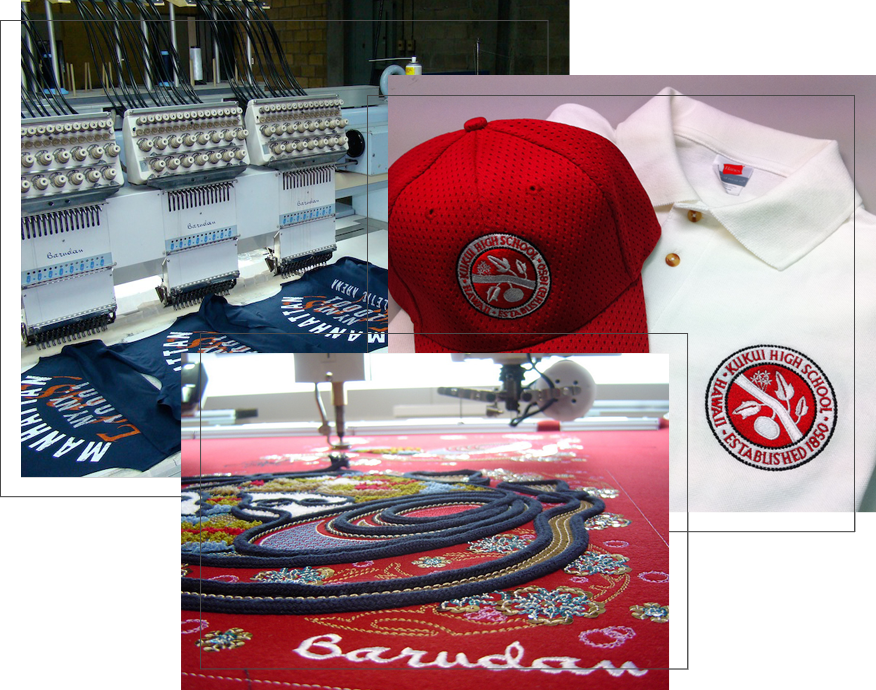
What Is Embroidery Digitizing?
Embroidery digitizing is the process of converting a flat artwork file — like a JPEG, PNG, or PDF — into a stitch file that an embroidery machine can read and execute. A digitizer maps out every individual stitch: the direction, density, type, and sequence, all of which affects how the final embroidery looks on fabric.
Without a digitized file, an embroidery machine simply cannot work. Even if you have a perfect logo in high resolution, it still needs to be professionally digitized before a single thread is sewn.
Common output file formats include: DST, PES, JEF, EXP, VP3, and EMB — your embroiderer will tell you which format their machine requires.
What Factors Affect Embroidery Digitizing Cost?
Digitizing pricing isn’t one-size-fits-all. Here are the main variables that determine what you’ll pay:
1. Stitch Count
This is the biggest pricing factor. The more stitches in a design, the longer it takes to digitize — and the more it costs. A simple left-chest logo might have 5,000–8,000 stitches while a large jacket back design can exceed 50,000 stitches.
2. Design Complexity
A bold, clean logo with solid colors is far easier to digitize than one with gradients, tiny text, photographic detail, or intricate linework. Complex designs require more technical skill, more time, and more revisions — all of which add to the cost.
3. Design Size
Larger designs generally have higher stitch counts, which means higher prices. However, size alone doesn’t determine cost — a large but simple design may be cheaper than a small but highly detailed one.
4. Number of Colors
Each color in an embroidery design requires a thread change and careful planning to avoid misalignment. Designs with 8+ colors take significantly longer to digitize than single or dual-color designs.
5. Turnaround Time
Standard turnaround is typically 12–24 hours for professional digitizing services. Rush orders — anything needed in under 4 hours — typically carry a 25–50% premium on top of the standard price.
6. Provider Type
Pricing varies significantly between freelancers, offshore services, and professional digitizing companies. Each has trade-offs in quality, communication, and reliability.
Embroidery Digitizing Pricing Breakdown
Here’s what you can expect to pay at a professional digitizing service:
| Service Type | Basic Price | Complex Price | Rush Fee |
| Small Logo (under 5,000 stitches) | $10 – $20 | $20 – $35 | +$5 – $10 |
| Medium Logo (5,000–15,000 stitches) | $20 – $40 | $35 – $60 | +$10 – $20 |
| Large Design (15,000–30,000 stitches) | $40 – $65 | $60 – $90 | +$15 – $30 |
| Jacket Back / Full Design (30,000+ stitches) | $65 – $100 | $90 – $150+ | +$20 – $50 |
| 3D Puff Digitizing | $25 – $50 | $50 – $80 | +$10 – $25 |
| Hat / Cap Digitizing | $15 – $35 | $30 – $55 | +$10 – $20 |
| Patch Digitizing | $15 – $40 | $35 – $70 | +$10 – $20 |
| Towel / Terry Digitizing | $20 – $45 | $40 – $75 | +$10 – $25 |
Note: Prices are indicative for professional services. Freelancer marketplaces may be cheaper but quality varies widely.
One-Time Fee vs Per-Piece Pricing — What’s the Difference?
This is one of the most common points of confusion for first-time buyers. Here’s how it works:
Digitizing Fee (One-Time)
You pay for digitizing once — when the file is created. After that, the digitized file is yours. Every time you reorder, you use the same file without paying again. This is standard practice with reputable digitizing companies.
Per-Piece Embroidery Cost (Ongoing)
This is what the embroiderer charges to actually stitch the design onto garments. This is separate from digitizing and is charged per item, typically ranging from $3–$15 per piece depending on stitch count, garment type, and quantity.
Always ask: “Do I own the digitized file?” Reputable companies provide the file to you. Some low-cost providers retain ownership and charge you again for every reorder — avoid these.
Rush Orders: What Do They Cost Extra?
Most professional digitizing services offer tiered turnaround options:
- Standard (12–24 hours): Base price
- Same Day (4–12 hours): +25% to +35%
- Rush (under 4 hours): +40% to +75%
- Super Rush (under 2 hours): +75% to +100%
If your deadline allows, always go with standard turnaround — the quality is the same and you save significantly on cost.
What’s Included in the Price?
A good digitizing service should include the following at no extra charge:
- The digitized stitch file in your required format (DST, PES, etc.)
- A preview image of the digitized design before production
- One round of free revisions if the output doesn’t match your artwork
- Customer support to answer questions about the file
Watch out for providers who charge extra for the preview, additional formats, or basic revisions. These add-ons are standard inclusions at professional services.
How to Get the Best Value from Embroidery Digitizing
Follow these tips to keep your costs down without sacrificing quality:
Provide High-Quality Source Files
Send a vector file (AI, EPS, or SVG) whenever possible. Digitizing from a vector is faster and produces better results than working from a low-resolution JPEG. Poor artwork quality can add revision cycles that drive up cost and delay delivery.
Simplify Your Design Where Possible
If your logo has photographic gradients or extremely fine detail, ask your digitizer what can be simplified for embroidery without losing the essence of the brand. Fewer stitches means lower cost and often better-looking embroidery.
Batch Your Orders
If you need multiple designs digitized, send them together. Many providers offer discounts for batch orders of 3 or more designs.
Don’t Chase the Cheapest Option
$2 digitizing services exist. They also produce files that look terrible on fabric, require expensive re-digitizing, and waste the cost of your garments. Quality digitizing is a one-time investment that pays for itself across every reorder.
Common Mistakes That Drive Up Your Digitizing Cost
- Sending a blurry or low-resolution image as source artwork
- Asking for last-minute rush orders that could have been planned ahead
- Requesting unnecessary colors that add complexity without adding visual value
- Choosing a provider that doesn’t let you own the file — forcing you to pay again for every reorder
- Not specifying the garment type — digitizing for a hat is different from digitizing for a jacket
- Skipping the proof review and going straight to production, then needing re-digitizing
Frequently Asked Questions
How much does it cost to digitize a simple logo?
A simple logo with clean lines, 1–3 colors, and under 5,000 stitches typically costs $10–$20 at a professional digitizing service.
Do I have to pay for digitizing every time I order?
No — if you use a reputable service that gives you ownership of the digitized file, you pay once and reuse the file for every future order. Always confirm file ownership before paying.
How long does embroidery digitizing take?
Standard turnaround is 12–24 hours. Rush services can deliver in 2–4 hours, typically at an additional cost of 40–75%.
Can I digitize my own logo for free?
Free and low-cost digitizing software exists (like Ink/Stitch), but producing professional-quality results requires significant technical skill and practice. For business or commercial use, professional digitizing is almost always worth the investment.
What file format do I need for embroidery digitizing?
The most common formats are DST (Tajima), PES (Brother), JEF (Janome), and VP3 (Husqvarna/Viking). Ask your embroiderer which format their machine uses before ordering — most professional digitizers provide multiple formats at no extra charge.
Is embroidery digitizing a one-time cost?
Yes, for reputable providers. Once digitized, the file is yours to use indefinitely across unlimited reorders. The only ongoing cost is the per-piece embroidery fee charged by your embroiderer.
Final Thoughts
Embroidery digitizing is a one-time investment that unlocks unlimited production of your embroidered design. For most standard logos and designs, you’re looking at $10–$50 — a small cost relative to the value of professional-looking embroidery on uniforms, merchandise, or branded apparel.
The key is choosing a provider that delivers quality work, gives you file ownership, and offers responsive support. Cut corners here and you’ll pay for it in wasted garments, re-digitizing fees, and delays.
Need your logo digitized? Gem Punch offers professional embroidery digitizing with 24-hour turnaround, free revisions, and full file ownership. Get a free quote at gempunch.com.